Blog
Treasury-Automatisierungssoftware: Manuelle Prozesse eliminieren
Entdecken Sie diese Lösungen:
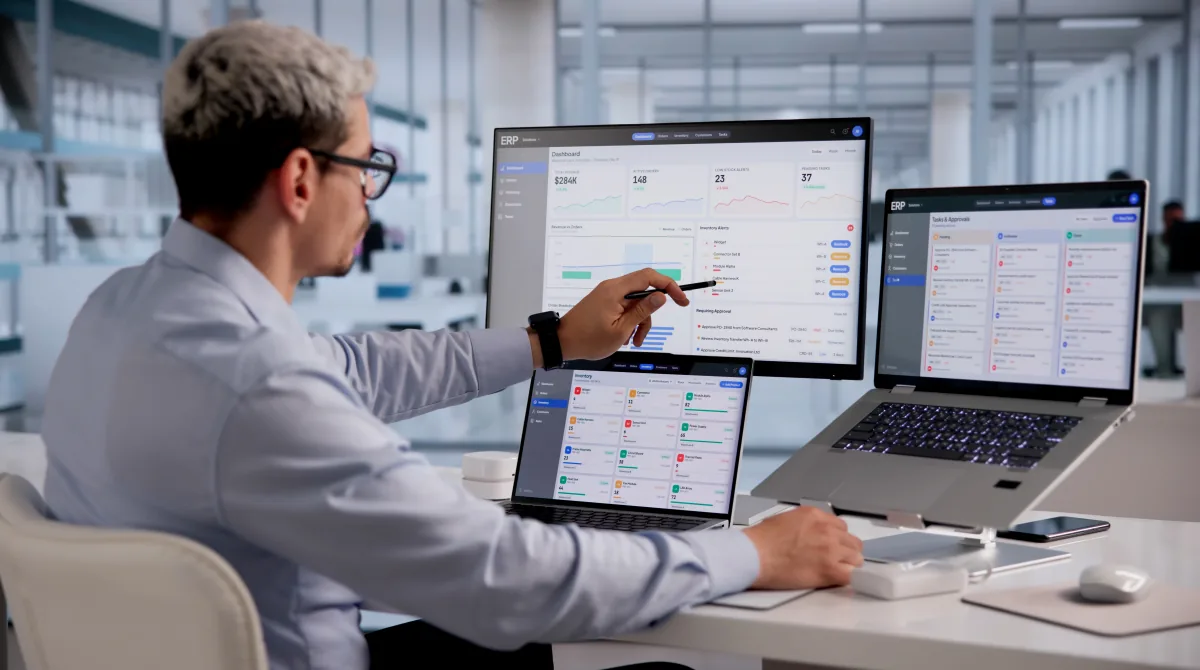
Finanzteams haben lange unter der Last manueller Arbeitsabläufe operiert. Tabellenkalkulationen, die zwischen Kollegen weitergegeben werden, Zahlungsgenehmigungen, die in E-Mail-Ketten hängen, Cash-Positionen, die aus einem Dutzend getrennter Quellen zusammengesetzt werden. Für Treasury-Abteilungen, die globale Abläufe verwalten, haben diese Ineffizienzen einen realen Preis.
Treasury-Automatisierungssoftware ändert diese Gleichung. Durch das Ersetzen manueller Prozesse durch automatisierte, integrierte Arbeitsabläufe können moderne Treasury-Teams schneller agieren, Risiken reduzieren und mit einem Maß an Transparenz arbeiten, das manuelle Methoden schlicht nicht bieten können.
Dieser Leitfaden behandelt, was Treasury-Automatisierungssoftware leistet, welche Prozesse sie eliminiert und wie Organisationen die richtige Lösung bewerten und implementieren können.
Was ist Treasury-Automatisierungssoftware?
Treasury-Automatisierungssoftware ist eine Kategorie von Finanztechnologie, die entwickelt wurde, um die Kernfunktionen einer Unternehmens-Treasury-Abteilung zu vereinfachen und zu automatisieren. Zu diesen Funktionen gehören die Zahlungsabwicklung, das Cash-Forecasting, das Risikomanagement und die regulatorische Compliance.
Anstatt sich auf manuelle Dateneingabe, isolierte Tabellenkalkulationen oder getrennte Bankportale zu verlassen, zentralisiert Treasury-Automatisierungssoftware diese Arbeitsabläufe in einer einzigen Plattform. Teams erhalten Echtzeit-Transparenz über Cash-Positionen, automatisierte Zahlungsausführung und standardisierte Berichterstattung, ohne den manuellen Mehraufwand.
Moderne Treasury-Automatisierungsplattformen nutzen zunehmend Technologien wie künstliche Intelligenz, maschinelles Lernen und Programmierschnittstellen (APIs), um sich mit Banken, Systemen für die Unternehmensressourcenplanung (ERP) und anderer Finanzinfrastruktur zu verbinden. Einige Lösungen, wie Ripple Treasury, bieten zudem optionale Konnektivität zu digitaler Zahlungsinfrastruktur, was Treasury-Teams eine größere Transparenz über grenzüberschreitende Zahlungsabläufe verschafft, wenn die Gegenparteien dies unterstützen.
Warum manuelle Treasury-Prozesse ein Risiko darstellen
Bevor untersucht wird, was Automatisierung gut leistet, hilft es zu verstehen, was manuelle Prozesse Organisationen kosten.
Operatives Risiko
Manuelle Dateneingabe führt zu Fehlern. Eine vertauschte Ziffer in einer Zahlungsdatei oder eine übersehene Zeile in einem Cash-Bericht kann sich zu kostspieligen Fehlern auswachsen. Je größer das Volumen, das ein Treasury-Team bearbeitet, desto höher ist die Wahrscheinlichkeit menschlicher Fehler.
Geschwindigkeitsbeschränkungen
Manuelle Prozesse benötigen Zeit. Wenn Cash-Positionen jeden Morgen von Hand zusammengestellt werden, arbeiten Treasury-Teams immer mit dem Bild von gestern. In volatilen Märkten oder während rapiden Wachstums schafft diese Verzögerung eine echte Exposition.
Fehlende Skalierbarkeit
Ein Treasury-Team, das 500 monatliche Transaktionen manuell verwalten kann, kann oft nicht 5.000 verwalten, ohne Personal aufzustocken. Manuelle Prozesse skalieren nicht mit dem Unternehmenswachstum. Automatisierung tut das.
Compliance-Lücken
Regulatorische Anforderungen bei Zahlungen, Berichterstattung und Finanzkontrollen weiten sich weltweit weiter aus. Manuelle Compliance-Arbeitsabläufe, die auf Checklisten und menschliche Überprüfung angewiesen sind, sind schwer zu prüfen und leicht zu übersehen.
Abwanderung von Talenten
Erfahrene Treasury-Fachleute sind teuer und schwer zu finden. Sie mit repetitiver Datenarbeit zu beschäftigen, ist eine schlechte Nutzung ihrer Expertise. Automatisierung befreit diese Fachleute, sich auf Strategie, Analyse und Risikomanagement zu konzentrieren.
Zentrale manuelle Prozesse, die Treasury-Automatisierungssoftware eliminiert
Cash-Positionsberichte
Die manuelle Version: Treasury-Analysten rufen jeden Morgen Kontosalden-Daten aus mehreren Bankportalen ab, kopieren die Zahlen in eine Tabellenvorlage und verteilen einen täglichen Cash-Positionsbericht an die Führungsebene.
Was die Automatisierung ersetzt: Treasury-Automatisierungssoftware verbindet sich direkt mit Bankkonten über APIs oder SWIFT-Nachrichten. Cash-Positionen werden während des Tages in Echtzeit aktualisiert, und Berichte werden basierend auf vorkonfigurierten Parametern automatisch erstellt.
Das Ergebnis: Treasury-Teams erhalten eine Live-Ansicht der globalen Liquidität ohne manuelle Datenerfassung. Die Entscheidungsfindung verbessert sich, und das Risiko veralteter oder ungenauer Daten wird eliminiert.
Zahlungsabwicklung und Genehmigungsworkflows
Die manuelle Version: Zahlungsdateien werden in ERP-Systemen vorbereitet, exportiert, von mehreren Genehmigern per E-Mail überprüft und dann einzeln in Bankportale hochgeladen. Internationale Zahlungen erfordern zusätzliche manuelle Formatierung, um die Anforderungen der Korrespondenzbanken zu erfüllen.
Was die Automatisierung ersetzt: Treasury-Automatisierungsplattformen integrieren sich direkt mit ERP-Systemen und Banknetzwerken. Zahlungen werden automatisch initiiert, validiert und durch konfigurierte Genehmigungsworkflows geleitet. Regelbasierte Kontrollen markieren Ausnahmen, ohne dass jede Transaktion manuell überprüft werden muss.
Das Ergebnis: Zahlungszyklen verkürzen sich von Tagen auf Stunden. Genehmigungsworkflows werden konsistent durchgesetzt, mit vollständigen Audit-Trails. Grenzüberschreitende Zahlungen können über automatisierte Zahlungswege ausgeführt werden, die die Abhängigkeit von Korrespondenzbank-Intermediären reduzieren.
Bankkontenverwaltung
Die manuelle Version: Finanzteams pflegen Tabellenkalkulationen, die Kontodetails, Unterschriftsberechtigte, autorisierte Nutzer und Gebührenstrukturen über Dutzende oder Hunderte von Bankbeziehungen hinweg verfolgen. Die Abstimmung von Kontoauszügen erfordert manuellen Abgleich mit ERP-Aufzeichnungen.
Was die Automatisierung ersetzt: Treasury-Automatisierungssoftware führt ein zentralisiertes Kontoregister, automatisiert die Kontoauszugsabstimmung und verfolgt Unterschriftsberechtigte und Kontoattribute in einem einzigen Referenzsystem.
Das Ergebnis: Die Kontoüberwachung wird proaktiv statt reaktiv. Gebührenanomalien und nicht autorisierte Kontoaktivitäten werden automatisch aufgedeckt, statt durch periodische manuelle Prüfungen.
Liquiditätsprognose
Die manuelle Version: Treasury-Teams sammeln Cashflow-Projektionen aus Verbindlichkeiten, Forderungen und FP&A und konsolidieren diese Eingaben dann manuell in ein Prognosemodell. Die Aktualisierung des Modells erfordert die Wiederholung dieses Sammelprozesses.
Was die Automatisierung ersetzt: Moderne Treasury-Automatisierungssoftware verbindet sich direkt mit Transaktionsdaten und wendet Modelle des maschinellen Lernens an, um fortlaufende Cashflow-Prognosen zu erstellen. Historische Muster, saisonale Anpassungen und offene Verbindlichkeiten oder Forderungen werden automatisch berücksichtigt.
Das Ergebnis: Prognosen sind genauer, aktueller und erfordern weniger Analystenzeit für die Pflege. Die Szenariomodellierung wird schneller, sodass Treasury Annahmen einem Stresstest unterziehen kann, ohne neue Modelle von Grund auf zu erstellen.
FX-Risikomanagement
Die manuelle Version: Teams verfolgen Fremdwährungsexpositionen in Tabellenkalkulationen, berechnen manuell Nettopositionen, fordern Angebote von mehreren Banken an und führen Hedges per Telefon oder Portal aus. Die Berichterstattung über die Hedge-Effektivität erfordert manuelle Abstimmung.
Was die Automatisierung ersetzt: Treasury-Automatisierungssoftware aggregiert FX-Expositionen über Tochtergesellschaften und Systeme hinweg, berechnet Nettopositionen und integriert sich mit FX-Ausführungsplattformen, um die Hedging-Workflows zu vereinfachen. Einige Plattformen bieten automatisierte Warnmeldungen, wenn Expositionen definierte Schwellenwerte überschreiten.
Das Ergebnis: Das FX-Risiko wird systematischer gesteuert, mit besserer Transparenz über die Nettoexposition und konsistenterer Ausführungsdisziplin.
Konzerninterne Transaktionen und Netting
Die manuelle Version: Finanzteams verfolgen konzerninterne Salden über Tochtergesellschaften hinweg mittels Tabellenkalkulationen, berechnen manuell Netting-Positionen zu den Abwicklungszyklen und initiieren einzelne Überweisungen, um die Salden auszugleichen.
Was die Automatisierung ersetzt: Treasury-Automatisierungsplattformen verwalten konzerninterne Kreditsalden, berechnen Netting-Positionen automatisch und lösen Abwicklungsanweisungen entsprechend den konfigurierten Zyklen aus. Zinsabgrenzungen und Saldenbestätigungen werden systematisch abgewickelt.
Das Ergebnis: Die Abwicklungseffizienz verbessert sich erheblich. Das Volumen externer Überweisungen sinkt, was die Bankgebühren und die Verarbeitungszeit reduziert.
Compliance- und Prüfungsberichte
Die manuelle Version: Treasury-Teams stellen zum Prüfungszeitpunkt Compliance-Dokumentation manuell zusammen, wobei Transaktionsaufzeichnungen, Genehmigungsdokumentation und Kontoauszüge aus mehreren Quellen abgerufen werden, um die Prozessnachweise zu rekonstruieren.
Was die Automatisierung ersetzt: Jede Transaktion, Genehmigung und Systemaktion in einer Treasury-Automatisierungsplattform wird automatisch mit Zeitstempeln, Nutzerdetails und vollständigem Transaktionskontext protokolliert. Compliance-Berichte können auf Abruf erstellt werden.
Das Ergebnis: Die Prüfungsvorbereitungszeit sinkt drastisch. Kontrollen werden konsistent angewendet, und Nachweise sind immer aktuell, statt rekonstruiert.
Wichtige Funktionen, die bei Treasury-Automatisierungssoftware zu bewerten sind
Nicht alle Treasury-Automatisierungsplattformen sind gleich. Bei der Bewertung von Optionen sollten Treasury- und Finanzverantwortliche die folgenden Fähigkeiten prüfen.
Konnektivität und Integration
- Native Bankkonnektivität über API, SWIFT oder Host-to-Host-Dateiaustausch
- ERP-Integration mit Systemen wie SAP, Oracle und Microsoft Dynamics
- Unterstützung für Multi-Bank-, Multiwährungs- und Multi-Einheit-Umgebungen
Echtzeitdaten und Berichterstattung
- Innertägige Transparenz der Cash-Position
- Konfigurierbare Dashboards für Liquidität, Expositionen und Gegenparteirisiko
- Automatisierte Berichtserstellung und -verteilung
Zahlungsfunktionen
- Unterstützung für inländische und grenzüberschreitende Zahlungsformate
- Regelbasierte Zahlungsweiterleitung und Genehmigungsworkflows
- Integration mit alternativen Zahlungswegen für eine schnellere internationale Abwicklung
Sicherheit und Kontrollen
- Rollenbasierte Zugriffskontrollen und Durchsetzung der Funktionstrennung
- Multi-Faktor-Authentifizierung und Verschlüsselung
- Vollständige Audit-Trails für alle Nutzeraktionen und Transaktionen
Prognose und Analytik
- KI-gestützte Cashflow-Prognose
- Szenarioanalyse und Sensitivitätsmodellierung
- Aggregation und Berichterstattung von FX-Expositionen
Implementierung und Support
- Geschwindigkeit und Komplexität der Einführung
- Verfügbarkeit dedizierter Implementierungsunterstützung
- Laufende Produktentwicklung und Transparenz der Roadmap
Wie Ripple die Treasury-Automatisierung angeht
Die Treasury-Lösungen von Ripple sind für Organisationen konzipiert, die grenzüberschreitend tätig sind, wo die Reibung des traditionellen Korrespondenzbankwesens am größten ist. Durch die Kombination von Treasury-Management-Fähigkeiten mit blockchain-basierter Zahlungsinfrastruktur ermöglicht Ripple Treasury-Teams, nicht nur Arbeitsabläufe, sondern auch die zugrunde liegende Geldbewegung zu automatisieren.
Zu den wichtigsten Funktionen zählen:
- Echtzeit-Bruttoabwicklung für grenzüberschreitende Zahlungen, wodurch die Abhängigkeit von vorfinanzierten Nostro-Konten reduziert wird
- Automatisierte FX-Umrechnung durch bedarfsgerechte Liquidität
- End-to-End-Zahlungsverfolgung mit vollständiger Transparenz bei jedem Schritt
- Integration mit bestehender Treasury-Management- und ERP-Infrastruktur
Für multinationale Organisationen, bei denen manuelle Zahlungsprozesse und fragmentierte Liquidität die zentrale operative Herausforderung darstellen, adressiert dieser Ansatz die Grundursachen, statt nur die Symptome.
Einen Business Case für Treasury-Automatisierung aufbauen
Treasury-Automatisierung erfordert Investitionen, und Finanzverantwortliche müssen oft einen Business Case für die Genehmigung erstellen. Die überzeugendsten Fälle quantifizieren sowohl die Kostenreduzierung als auch die Risikominderung.
Zu quantifizierende Kostensenkungshebel:
- Analystenzeit, die durch manuelle Berichterstattung und Abstimmung zurückgewonnen wird
- Reduzierung der Bankgebühren durch Zahlungskonsolidierung und Netting
- Geringere Kosten für Fehlerkorrektur
- Reduzierter Personalbedarf zur Skalierung mit dem Wachstum
Zu dokumentierende Risikominderungsfaktoren:
- Häufigkeit manueller Fehler in aktuellen Prozessen
- Regulatorische und Prüfungsexposition durch manuelle Compliance-Workflows
- Geschwindigkeit der aktuellen Zahlungsabwicklung im Vergleich zu den Geschäftsanforderungen
Zu formulierender strategischer Wert:
- Verbesserte Liquiditätstransparenz und der Wert besserer Kapitalallokationsentscheidungen
- Schnellere Zahlungsausführung, die bessere Lieferanten- und Partnerbeziehungen ermöglicht
- Skalierbarkeit zur Unterstützung des Unternehmenswachstums ohne lineare Kostensteigerung
Die meisten Organisationen können eine Kombination dieser Faktoren identifizieren, die die Investition in Treasury-Automatisierung innerhalb des ersten Jahres nach Implementierung rechtfertigt.
Fazit
Manuelle Treasury-Prozesse sind eine Quelle operativen Risikos, eine Wachstumsbeschränkung und ein Hindernis für die Echtzeit-Finanztransparenz, die moderne Unternehmen benötigen.
Treasury-Automatisierungssoftware eliminiert diese Einschränkungen, indem sie manuelle Arbeitsabläufe durch integrierte, automatisierte Prozesse ersetzt, die mit dem Unternehmen skalieren und durchgängig genaue Daten liefern.
Für Treasury-Teams, die bereit sind, über Tabellenkalkulationen und isolierte Bankportale hinauszugehen, ist die Chance klar: Automatisieren Sie das Manuelle und konzentrieren Sie die menschliche Expertise dort, wo sie den größten Wert schafft.
Erleben Sie Ripple Treasury in Aktion
Nehmen Sie noch heute Kontakt auf und profitieren Sie von Expertenunterstützung, umfassenden Lösungen und neuen Möglichkeiten.