Blog
So automatisieren Sie das FX-Risikomanagement: von der Identifikation bis zur Hedge-Bilanzierung
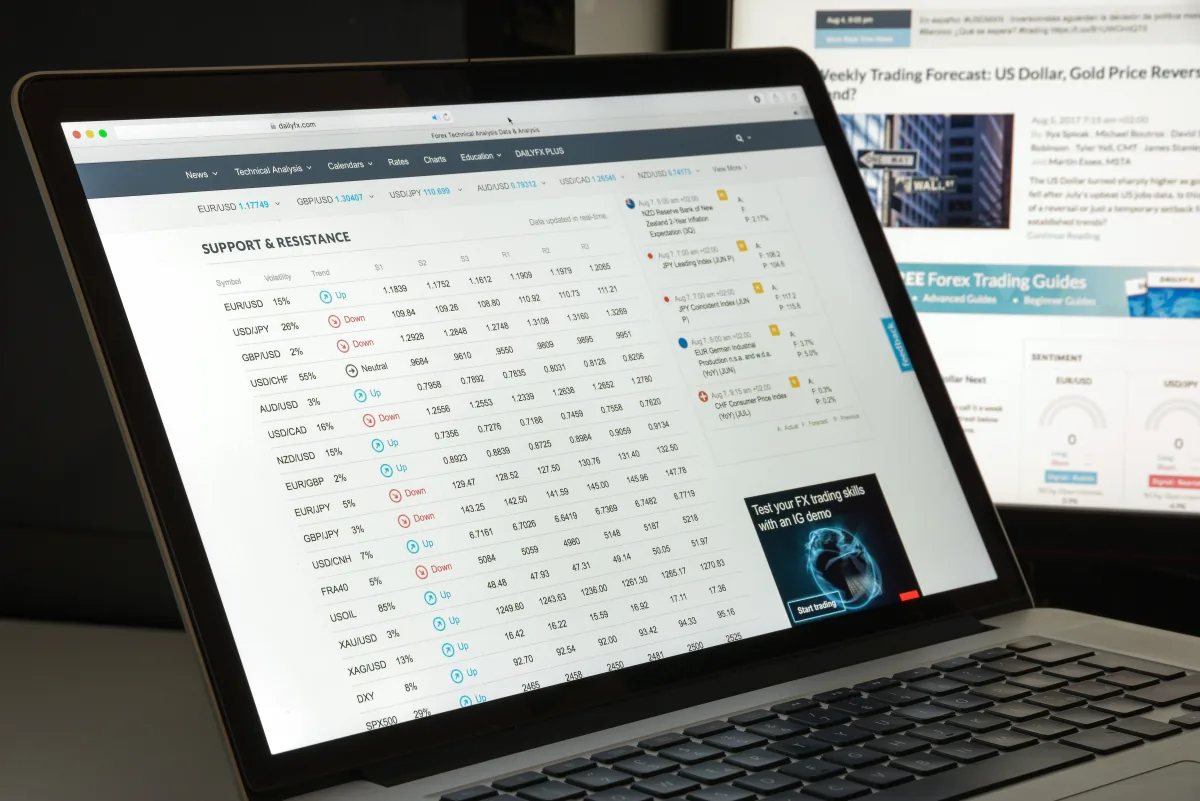
Das FX-Risikomanagement ist eine der operativ anspruchsvollsten Disziplinen im Corporate Treasury. Manuell durchgeführt erfordert es das Abrufen von Daten aus Dutzenden von Quellen, die Abstimmung von Diskrepanzen, die Durchführung von Hedge-Berechnungen und die Erstellung von Buchhaltungseinträgen – und all das, während sich der Markt bewegt. Schlecht durchgeführt entstehen dabei Hedges, die von der tatsächlichen Exposure abweichen, sowie Buchhaltungsfehler und regulatorisches Risiko.
Automatisierung verändert, was möglich ist. Treasurer, die von tabellenbasierten Arbeitsabläufen zu automatisiertem FX-Risikomanagement gewechselt sind, berichten von schnelleren Abschlusszyklen, engerer Hedge-Effektivität, weniger Abstimmungsfehlern und mehr Zeit für strategische Entscheidungen. Dieser Beitrag führt durch den gesamten Lebenszyklus, von der anfänglichen Identifikation der Exposure bis zur Hedge-Bilanzierung, und erläutert, wo Automatisierung in jeder Phase den größten Mehrwert bietet.
Das Problem mit manuellem FX-Risikomanagement
Die zentrale Herausforderung sind die Daten. FX-Exposure existiert in ERP-Systemen, Tochtergesellschafts-Hauptbüchern, konzerninternen Kreditplänen, Prognosetools und Bankportalen. In den meisten Organisationen erfordert das Zusammenführen dieser Daten manuelle Exporte, VLOOKUP-intensive Tabellenkalkulationen und einen Abstimmungsprozess, der jeden Monat Tage der Arbeitszeit von Treasury-Analysten in Anspruch nimmt.
Die nachgelagerten Folgen sind erheblich. Bis die Exposure identifiziert und aggregiert ist, sind die Zahlen bereits veraltet. Hedge-Entscheidungen werden auf Basis von Daten getroffen, die Tage oder Wochen alt sein können. Hedge-Ratios weichen von den Richtlinienzielen ab, ohne dass es jemand bemerkt, bis zum nächsten Berichtszyklus. Buchhaltungsteams hetzen unter Termindruck, um Hedge-Dokumentation und Effektivitätstests zu erstellen.
Die Automatisierung des FX-Risikomanagements spart nicht nur Zeit. Sie verbessert die Qualität von Risikoentscheidungen, verkürzt das Zeitfenster zwischen der Entstehung des Risikos und seiner Absicherung, und schafft eine belastbare Prüfspur für die Hedge-Bilanzierung.
Schritt 1: Automatisierung der Exposure-Identifikation
Die Exposure-Identifikation ist der Ausgangspunkt für alles andere im Lebenszyklus des FX-Risikomanagements. Man kann keine Exposures absichern, berichten oder verbuchen, die man nicht identifiziert hat.
Transaktionsexposure entsteht aus Forderungen, Verbindlichkeiten und Verträgen in Fremdwährung. ERP-Integrationen können diese Daten in Echtzeit abrufen, neue Fremdwährungsposten markieren, sobald sie gebucht werden, und sie nach Währung, Einheit und Abwicklungsdatum aggregieren. Eine gute Automatisierungsebene ordnet jeden Posten dem richtigen Exposure-Bereich zu, ohne manuellen Eingriff.
Umrechnungsexposure entsteht durch die Konsolidierung ausländischer Tochterbilanzen und Gewinn- und Verlustrechnungen in die funktionale Währung. Automatisierung kann Bilanzdaten der Tochtergesellschaft nach Zeitplan extrahieren, aktuelle und durchschnittliche Kurse anwenden und die Umrechnungsauswirkung anzeigen, bevor der Abschlusszyklus beginnt.
Wirtschaftliche Exposure hat einen längeren Zeithorizont und erfordert zukunftsgerichtete Eingaben von FP&A. Obwohl dieses Element mehr Ermessen erfordert, kann die Automatisierung Umsatzprognosen und Kostenannahmen direkt aus Planungstools abrufen und sie im selben Exposure-Rahmen wie Transaktions- und Umrechnungsdaten darstellen.
Das praktische Ziel ist ein einziges, konsolidiertes Exposure-Dashboard, das nach einem festgelegten Zeitplan (täglich oder innertäglich für Unternehmen mit hohem Volumen) aktualisiert wird, das Treasury nicht jedes Mal manuell erstellen muss.
Schritt 2: Automatisierung der Exposure-Aggregation und des Nettings
Sobald Exposures identifiziert sind, müssen sie vor dem Hedging aggregiert und verrechnet werden. Die Absicherung von Bruttoexposures ist teuer und ineffizient. Eine Tochtergesellschaft mit einer USD-Forderung und eine andere mit einer USD-Verbindlichkeit gleicher Höhe haben eine Nettoexposure von null, aber ein manueller Prozess sichert möglicherweise beide Seiten unabhängig ab.
Automatisierte Netting-Plattformen lösen dies, indem sie konzerninterne und externe Ströme über Einheiten hinweg aggregieren, ausgleichende Positionen im selben Währungspaar identifizieren und die Nettoexposure berechnen, die externe Absicherung erfordert. Dies reduziert das Hedge-Nominal, senkt die Transaktionskosten und vereinfacht das Hedge-Portfolio.
Für Unternehmen mit einer internen Bank oder einem Treasury-Center ermöglicht Automatisierung echtes multilaterales Netting, bei dem alle Ströme der Tochtergesellschaften auf Nettobasis statt brutto mit dem Center abgewickelt werden. Die FX-Einsparungen in Korridoren mit hohem Volumen können erheblich sein.
Schritt 3: Automatisierung der Hedge-Ausführung
Nach der Berechnung der Nettoexposures ist der nächste Schritt die Ausführung der Hedges. Die manuelle Ausführung beruht darauf, Beziehungsbanken anzurufen oder anzuschreiben, Kurse zu verhandeln und Geschäfte manuell in das TMS einzubuchen. Dieser Prozess ist langsam, führt zu operativem Risiko und erschwert eine konsistente Ausführungsqualität.
Automatisierte Hedge-Ausführung verbindet das Treasury-System direkt mit FX-Ausführungsplattformen oder Bank-APIs. Geschäfte werden basierend auf vordefinierten Regeln (Hedge-Ratio, Laufzeit, Instrumententyp) initiiert und nach Bestätigung automatisch verbucht. Das System erstellt den Handelsdatensatz, verknüpft ihn mit der zugrunde liegenden Exposure und aktualisiert die Hedge-Position in Echtzeit.
Über die Effizienz hinaus unterstützt automatisierte Ausführung eine bessere Kursqualität. Elektronische Ausführungsplattformen bieten wettbewerbsfähige Preise gleichzeitig über mehrere Liquiditätsanbieter, wodurch die Single-Bank-Ausführungsverzerrung entfällt, die oft die effektiven FX-Kosten aufbläht.
Schritt 4: Automatisierung der Hedge-Effektivitätsprüfung
Nach ASC 815 und IFRS 9 erfordert die Hedge-Bilanzierung eine laufende Dokumentation, dass Hedging-Beziehungen das designierte Risiko hochwirksam ausgleichen. Das bedeutet regelmäßige Effektivitätstests, ein Prozess, der sowohl technisch anspruchsvoll als auch dokumentationsintensiv ist.
Manuelle Effektivitätstests beinhalten typischerweise den Export von Handels- und Exposure-Daten, die Durchführung von Regressions- oder Dollar-Offset-Berechnungen in einer Tabellenkalkulation und die Erstellung eines Memos, das das Ergebnis dokumentiert. Vierteljährlich durchgeführt, verbraucht dies erhebliche Analystenzeit. Schlecht durchgeführt, führt es zu Restatements.
Automatisierte Effektivitätstests rufen Exposure- und Hedge-Daten direkt aus dem TMS ab, führen die designierte Testmethodik durch (Critical-Terms-Match, hypothetische Derivatemethode oder statistische Regression), berechnen Ergebnisse und erstellen Dokumentationsausgaben in einem für die externe Prüfung geeigneten Format. Wenn eine Hedging-Beziehung außerhalb des Effektivitätsschwellenwerts liegt, markiert das System sie zur Überprüfung durch Treasury, bevor das Problem zu einem Berichtsproblem wird.
Schritt 5: Automatisierung der Hedge-Buchhaltungseinträge
Die Hedge-Bilanzierung nach ASC 815 oder IFRS 9 erfordert Zeitwertberechnungen für alle designierten Hedging-Instrumente, die Erfassung des effektiven Anteils von Gewinnen und Verlusten im OCI (für Cashflow-Hedges) und regelmäßige Umklassifizierungsbuchungen, wenn abgesicherte Posten das Ergebnis beeinflussen.
Die manuelle Erstellung dieser Buchungen aus Derivatebewertungen, die von Gegenparteibanken bereitgestellt werden, ist fehleranfällig und schwer zu prüfen. Automatisierte Hedge-Bilanzierungsmodule berechnen Zeitwerte anhand von Marktdaten, bestimmen die effektiven und ineffektiven Anteile, erstellen Journalbuchungen und buchen sie direkt im Hauptbuch.
Diese Automatisierung verkürzt die Abschlusszykluszeit, eliminiert eine häufige Quelle von Prüfungsfeststellungen und ermöglicht es dem Buchhaltungsteam, sich auf die Überprüfung statt auf die Datenzusammenstellung zu konzentrieren. Für Organisationen mit großen Hedge-Portfolios über mehrere Einheiten und Währungen hinweg rechtfertigt allein die Zeitersparnis oft die Investition.
Schritt 6: Automatisierung von Berichterstattung und Offenlegung
Regulierungsbehörden, Prüfer und Vorstände benötigen alle Transparenz über FX-Exposure und Hedging-Aktivitäten. Diese Berichterstattung manuell zu erstellen ist ein Engpass am Monatsende, der gleichzeitig Treasury- und Buchhaltungsressourcen bindet.
Automatisierte FX-Berichterstattung greift auf dieselbe Datenebene zu, die für das Exposure-Management und die Hedge-Bilanzierung verwendet wird, und erstellt Standardausgaben wie Exposure-nach-Währung-Zusammenfassungen, Hedge-Ratio-Dashboards, Effektivitätstestergebnisse und Sensitivitätsanalysen. Berichtsvorlagen können so konfiguriert werden, dass sie den Anforderungen des Vorstands, den Prüfungsdokumentationsstandards oder den regulatorischen Offenlegungsformaten entsprechen.
Echtzeit-Dashboards geben CFOs und Risikoausschüssen Einblick in FX-Positionen zwischen formellen Berichtszyklen und ermöglichen schnellere Entscheidungen, wenn sich die Marktbedingungen ändern.
Wo Zahlungsinfrastruktur ins Spiel kommt
Die Automatisierung des internen FX-Risikomanagement-Lebenszyklus ist notwendig, aber nicht ausreichend. Ein erheblicher Teil des FX-Risikos entsteht im Zahlungsprozess selbst, insbesondere im Zeitfenster zwischen der Initiierung einer grenzüberschreitenden Zahlung und ihrer Abwicklung.
Traditionelle Korrespondenzbankketten wickeln in ein bis vier Werktagen ab. Während dieses Zeitfensters hat der Treasurer einen Hedge gegen ein angenommenes Abwicklungsdatum gebucht, aber wenn die Zahlung sich verzögert, sind Hedge und Exposure nicht mehr aufeinander abgestimmt. Bei Zahlungsprogrammen mit hohem Volumen ist diese zeitliche Diskrepanz eine strukturelle Quelle von FX-Verlusten, die Automatisierung allein nicht beheben kann.
Grenzüberschreitende Echtzeitabwicklung beseitigt dieses Problem. Wenn Zahlungen in Sekunden abgewickelt werden, kollabiert das Exposure-Zeitfenster. Das Hedge-Timing stimmt mit der tatsächlichen Abwicklung überein. Die Abstimmung erfolgt schneller, da das Zahlungsergebnis sofort bekannt ist, statt angenommen zu werden.
Das Zahlungsnetzwerk von Ripple bietet diese Fähigkeit im großen Maßstab. Durch die Echtzeitabwicklung grenzüberschreitender Transaktionen, 24/7, gibt Ripple Treasury-Teams die Infrastruktur, um die Lücke zwischen der FX-Risikomanagementstrategie und der tatsächlichen Zahlungsausführung zu schließen. Das Ergebnis ist eine engere Hedge-Ausrichtung, präzisere Cashflow-Prognosen und geringeres operatives Risiko über den gesamten Zahlungslebenszyklus.
Aufbau des automatisierten FX-Risikomanagement-Stacks
Ein vollständig automatisierter FX-Risikomanagement-Lebenszyklus erfordert typischerweise die Integration mehrerer Systeme:
ERP-/Buchhaltungssystem – die Quelle für Exposure-Daten auf Transaktionsebene und das Ziel für Hedge-Buchhaltungseinträge.
Treasury-Management-System (TMS) – die Zentrale für Exposure-Aggregation, Hedge-Buchung, Effektivitätstests und Berichterstattung.
FX-Ausführungsplattform – elektronische Handelskonnektivität für wettbewerbsfähige, prüfbare Hedge-Ausführung.
Marktdatenanbieter – Echtzeit- und historische Kursdaten für Zeitwertberechnungen und Effektivitätstests.
Zahlungsinfrastruktur – grenzüberschreitende Zahlungswege, die Echtzeitabwicklung unterstützen und zeitbedingtes FX-Risiko reduzieren.
Der Grad der Integration zwischen diesen Komponenten bestimmt, wie viel manueller Eingriff im Arbeitsablauf verbleibt. Erstklassige Treasury-Abläufe haben die meisten manuellen Berührungspunkte eliminiert, wobei Menschen sich auf Richtlinienentscheidungen, Ausnahmebehandlung und strategische Aufsicht konzentrieren, statt auf Datenzusammenstellung.
Erste Schritte: ein praktischer Ansatz
Die vollständige Automatisierung des FX-Risikomanagement-Lebenszyklus ist für die meisten Organisationen eine mehrjährige Reise. Eine praktische Sequenzierung ist:
- Konsolidieren Sie zunächst die Exposure-Daten. ERP-Integration und Exposure-Aggregation liefern sofortigen Wert und schaffen die Datenbasis, auf der alles andere aufbaut.
- Automatisieren Sie die Berichterstattung frühzeitig. Die Reduzierung der manuellen Berichtserstellung schafft Zeit für Analysten und verbessert die Datenqualität, bevor Sie die Ausführung oder Buchhaltung vollständig automatisiert haben.
- Fügen Sie als Nächstes die Automatisierung der Hedge-Ausführung hinzu. Die elektronische Ausführungskonnektivität verbessert gleichzeitig die Kursqualität und das operative Risiko.
- Bauen Sie die Automatisierung der Hedge-Bilanzierung zuletzt auf. Dies ist die technisch komplexeste Komponente und profitiert davon, dass bereits saubere Daten aus den vorherigen Schritten fließen.
Während des gesamten Prozesses sollten Richtlinien- und Governance-Rahmenwerke aktualisiert werden, um automatisierte Arbeitsabläufe widerzuspiegeln. Kontrollen, die für manuelle Prozesse entwickelt wurden, lassen sich oft nicht sauber auf automatisierte Umgebungen übertragen, und Prüfungsteams werden verstehen wollen, wie Ausnahmen behandelt werden und wie das System unbefugte Änderungen verhindert.
Der Gewinn
Organisationen, die das FX-Risikomanagement von der Identifikation bis zur Hedge-Bilanzierung automatisiert haben, berichten durchweg von denselben Ergebnissen: aktuelle statt veraltete Exposure-Daten, Hedge-Programme, die mit der Richtlinie im Einklang bleiben, Abschlusszyklen, die sich von Wochen auf Tage verkürzen, und Prüfungsprozesse, die dokumentationsbereit statt hektisch sind.
Der FX-Markt wird volatil bleiben. Die Frage ist, ob Ihre Treasury-Abteilung die Infrastruktur hat, um diese Volatilität präzise zu managen, oder ob sie unnötiges Risiko absorbiert, weil die zugrunde liegenden Arbeitsabläufe nicht Schritt halten können.
Automatisierung schließt diese Lücke. Die Technologie dafür ist heute verfügbar.
Ripple hilft Treasury-Teams, das FX-Risiko in grenzüberschreitenden Zahlungsströmen mit einer Echtzeit-Abwicklungsinfrastruktur zu reduzieren. Erfahren Sie mehr unter treasury.ripple.com.
Erleben Sie Ripple Treasury in Aktion
Nehmen Sie noch heute Kontakt auf und profitieren Sie von Expertenunterstützung, umfassenden Lösungen und neuen Möglichkeiten.